
Authors



Description
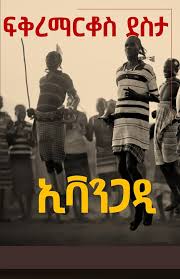
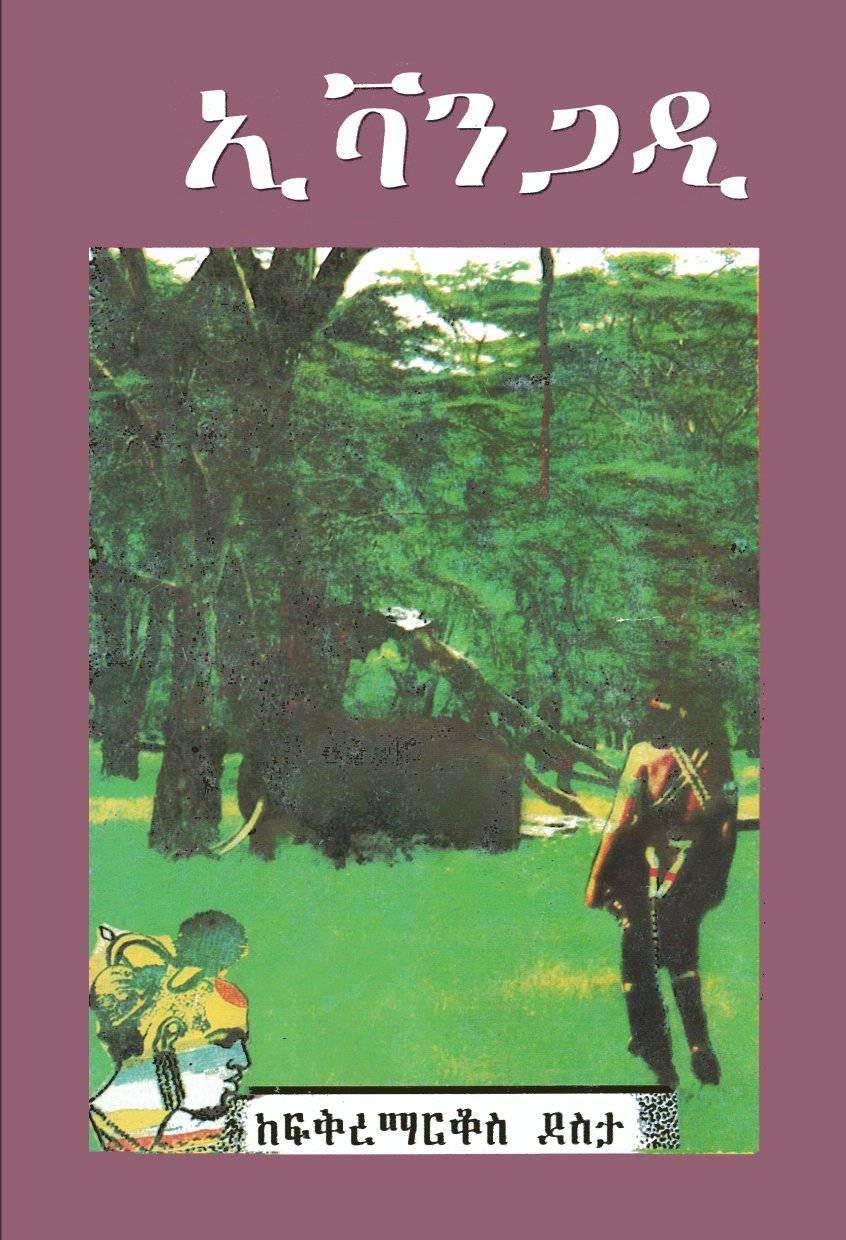
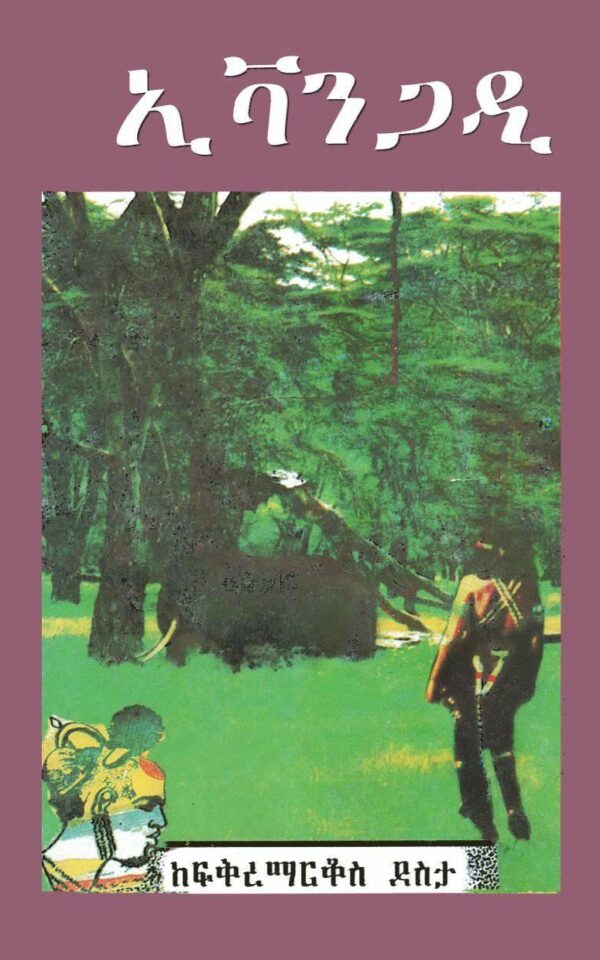
Evangadi (ኢቫንጋዲ)is the second and perhaps most famous book in Fikremarkos Desta’s celebrated ethnographic trilogy. First published in 1990 E.C. (1997/98 G.C.), it remains a landmark in Ethiopian literature for its vivid portrayal of the Hamar people in South Omo.
- The Meaning: “Evangadi” is the traditional, moonlit night dance of the Hamar and Bashada people, symbolizing youth, romance, and communal joy.
- The Plot: The story follows the life of a young man living within the Hamar culture. It explores the transition from youth to adulthood, specifically focusing on the famous “Bull Jumping” (Ukuli Bula) ceremony—a rite of passage a man must complete to marry and own cattle.
- Themes: It captures the tension between deep-rooted tradition and modernity, the beauty of indigenous love, and the complex social structures of the Southern Ethiopian highlands.
- Authenticity: Fikremarkos wrote the book while living in the Omo Valley for over a decade. His descriptions of the landscape, the “red clay” hairstyles, and the rituals are considered highly accurate.
- Language: It is praised for its descriptive Amharic prose, which manages to translate the unique cultural concepts of the Hamar language into a narrative accessible to city readers.
The Trilogy Order
To get the full story of the region, readers usually follow this sequence:
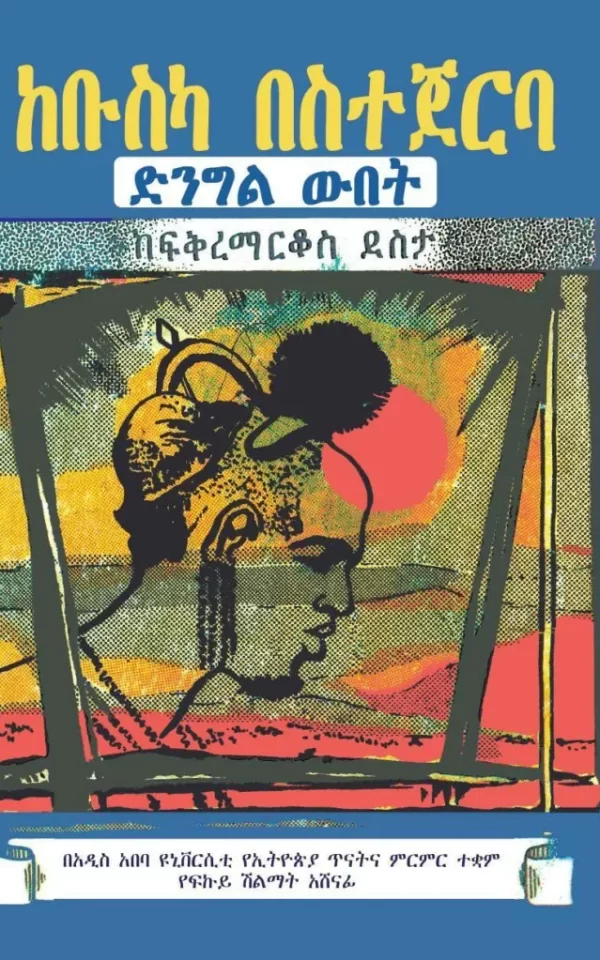
- KeBuska BesteJerba (Beyond Buska Mountain)
- Evangadi (The Dance)
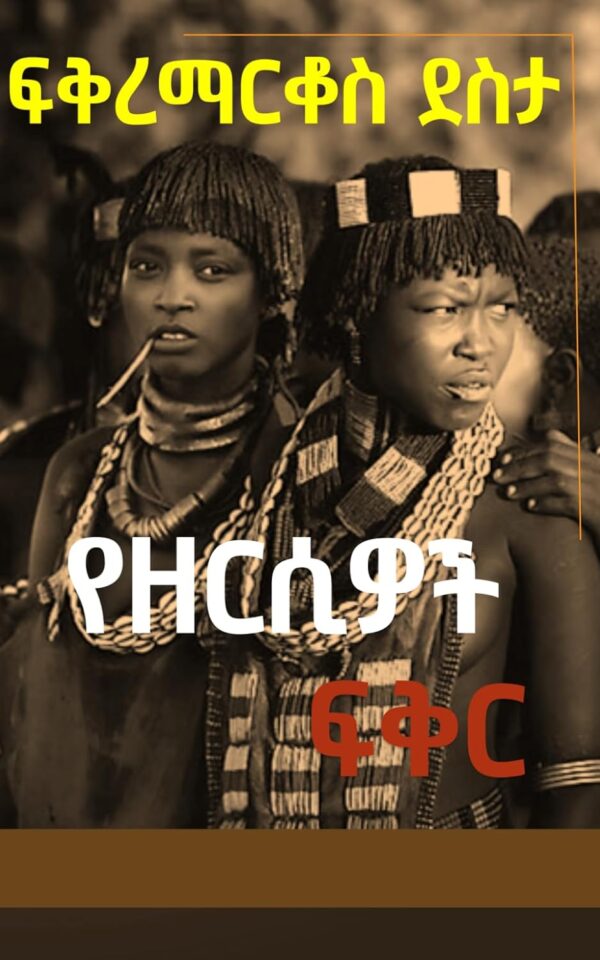
- YeZersiwoch Fikir (The Love of the Zersi)
Reviews (0)
You must be logged in to post a review.
Reviews
There are no reviews yet.